Choosing the right insulation for your home can feel overwhelming. With so many options and varying quotes, finding the best value for your investment requires careful planning and comparison. This comprehensive guide empowers you to navigate the process confidently, ensuring you get the most effective and cost-efficient insulation solution.
Understanding Insulation Costs
Insulation pricing is influenced by several key factors. Material costs vary significantly depending on the type of insulation chosen (fiberglass, spray foam, cellulose, etc.), its R-value (a measure of thermal resistance), and the quantity needed for your home. Installation costs depend on the accessibility of your attic, walls, or crawl spaces. Labor rates fluctuate by region and contractor experience. Hidden costs, such as permits or disposal fees, can also impact the overall project cost. Therefore, it's crucial to request detailed quotes that outline all expenses transparently. Obtaining multiple insulation bids provides a better understanding of the price range for your project. Getting accurate quotes helps with budgeting.
How to Compare Insulation Quotes Effectively
Comparing insulation quotes is essential for making an informed decision. Start by gathering multiple estimates from reputable, licensed local installers. Ensure each quote includes a detailed breakdown of materials, labor, and any additional charges. Carefully review the R-value of the proposed insulation; higher R-values generally translate to better energy efficiency. Verify the contractor's experience, licenses, and insurance. Online reviews and ratings can provide valuable insights into their quality of work and customer satisfaction. Don’t hesitate to ask questions and clarify anything unclear within the bids.
Gathering Quotes from Local Installers
Finding reputable local insulation installers is your first step. Use online directories, ask for recommendations from friends and family, and check with your local building supply stores. Don’t just look for the cheapest option; prioritize quality workmanship and a strong reputation. Request multiple free estimates to compare pricing and services, getting a detailed proposal from each before comparing estimates.
Factors to Consider When Comparing Quotes
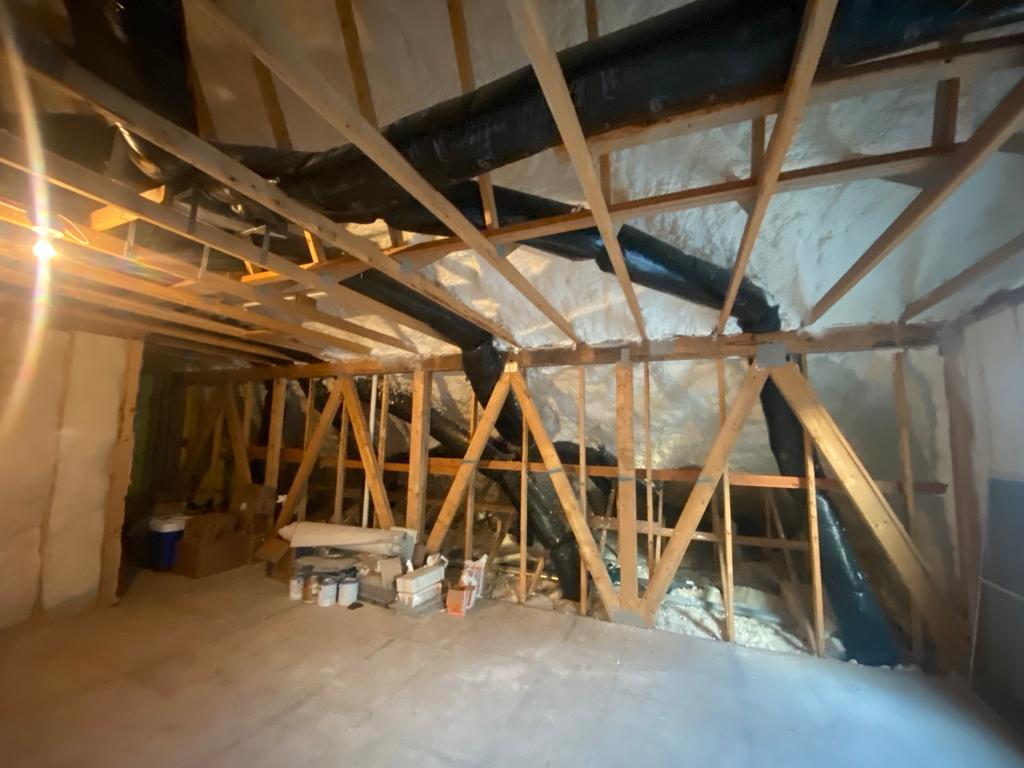
Several critical factors should influence your quote comparison. Beyond price, consider the insulation's R-value, warranty, the contractor’s experience and reputation, and the overall quality of materials used. Review online quotes against in-person estimates for a complete comparison. Assess the projected energy savings and the insulation's long-term impact on your energy bills. Remember to factor in any potential hidden costs and carefully read the terms and conditions of each quote.
Types of Insulation: A Detailed Comparison
Different types of insulation offer varying levels of thermal performance, cost, and installation ease.
Pros and Cons of Each Insulation Type
- Fiberglass Insulation: Affordable and widely available, but can irritate skin during installation. Spray Foam Insulation: Excellent air sealing and R-value, but more expensive than fiberglass. Cellulose Insulation: Made from recycled materials, good insulation properties, and fire-resistant.
This table summarizes key characteristics:
Insulation Type R-Value per Inch Cost per Square Foot Installation Cost (Estimate) Pros Cons Fiberglass R-3 to R-6 $0.30 - $0.80 $1 - $3 per square foot Affordable, easy to install Can irritate skin, less effective air seal Spray Foam R-6 to R-7 $1.50 - $3.00 $3 - $6 per square foot Superior air seal, high R-value More expensive, requires specialized equipment Cellulose R-3.1 to R-3.8 $0.50 - $1.20 $1.50 - $4 per square foot Environmentally friendly, good fire resistance Can settle over timeNote: Costs are estimates and vary based on location and project specifics.
Benefits of Insulation for Your Home
Investing in proper insulation offers significant advantages beyond reduced energy bills. Improved comfort levels are a key benefit, as insulation regulates indoor temperatures more effectively. It also contributes to a healthier home environment by reducing drafts and minimizing moisture buildup. Furthermore, energy savings contribute directly to cost analysis and a return on investment over time. Insulation is a valuable upgrade that increases the value of your home and contributes to environmental sustainability.
Getting Accurate Estimates: Avoiding Common Pitfalls
To obtain accurate insulation estimates, provide contractors with precise measurements of the areas needing insulation. Clarify your needs and desired R-value. Insist on detailed written quotes outlining all costs, materials, https://howell-township-nj-08724-e-x-0-4-3.iamarrows.com/discover-howell-township-nj-s-best-schools-for-2025 labor, and warranties. Be wary of unusually low bids, as these might indicate corners being cut on materials or quality of workmanship. Avoid choosing installers based solely on price; balance price with quality and reputation. Don’t sign contracts before thoroughly understanding all terms and conditions.
Avoiding Common Pitfalls
- Unclear Quotes: Request detailed written quotes specifying all costs. Hidden Costs: Inquire about potential extra charges like permits or waste disposal. Unlicensed Contractors: Verify the contractor’s license and insurance.
Frequently Asked Questions
What is the average cost of insulation installation? Costs vary greatly depending on the type of insulation, square footage, and accessibility. Expect a range from a few hundred to several thousand dollars.
How do I choose the right insulation type for my home? Consider factors like budget, climate, R-value requirements, and the contractor's recommendations.
Are there any hidden costs when getting insulation quotes? Yes, be sure to ask about permits, waste disposal, and any other potential additional expenses.
How long does it typically take to install insulation? Installation time depends on the size and complexity of the project. It can range from a few hours to several days.
What should I ask potential insulation contractors before hiring? Ask about licensing, insurance, experience, materials used, warranty, and the detailed breakdown of costs.
Conclusion
Comparing insulation quotes effectively is a multi-step process that demands attention to detail. By thoroughly researching contractors, understanding insulation types and costs, and requesting detailed quotes, you can confidently make an informed decision. Remember, the cheapest option isn't always the best. Prioritize quality materials, reputable installers, and a clear understanding of the project scope to ensure long-term comfort and energy savings. Start gathering quotes today and experience the benefits of a well-insulated home!