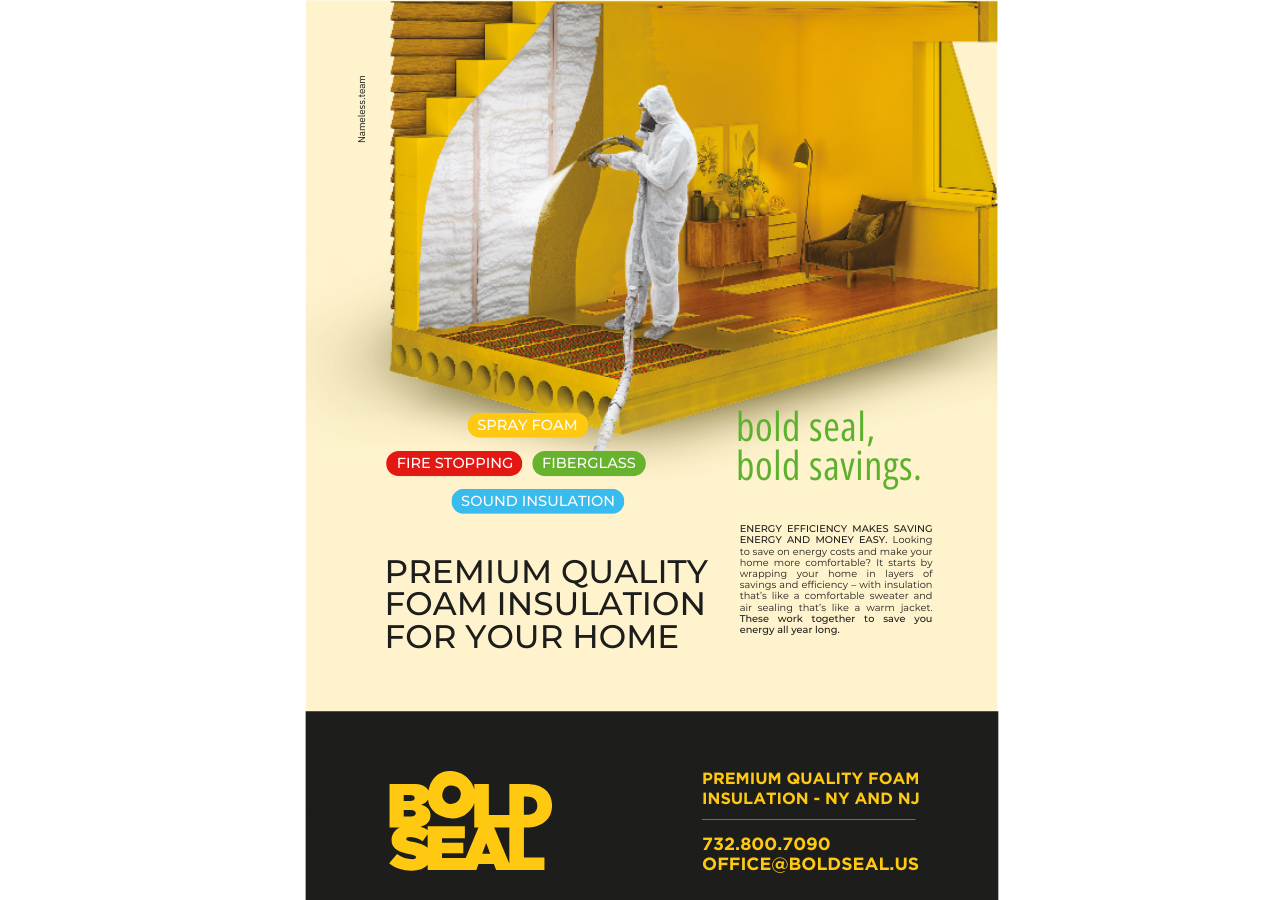
Introduction: Are you tired of sky-high energy bills and uncomfortable temperatures in your home? Investing in proper insulation is one of the most effective ways to boost energy efficiency, save money, and create a more comfortable living environment. This comprehensive guide will explore the multifaceted benefits of insulation, from understanding its mechanics to choosing the right materials for your home. Let's dive in and discover how insulation can transform your home's energy performance.
What Is Home Insulation?
Home insulation acts as a barrier, reducing heat transfer between the inside and outside of your house. This means keeping the warmth inside during winter and the cool air in during summer. Several materials achieve this, including fiberglass, cellulose, and spray foam insulation. Each has its unique properties, impacting R-value, cost, and installation method. Understanding these differences is crucial for making an informed decision about which type best suits your home and climate. Proper installation techniques further enhance the effectiveness of your home's insulation, creating a more energy-efficient and comfortable living space. Choosing the right insulation significantly impacts energy savings and long-term comfort.
What Are the Benefits of Insulation for Energy Efficiency?
Insulation offers substantial financial benefits through reduced utility bills, leading to a significant return on investment (ROI). Lower heating and cooling costs translate directly into more money in your pocket. Beyond the financial advantages, insulation contributes to a more comfortable and stable indoor temperature. This means fewer drafts, less temperature fluctuation, and a more consistent climate throughout your home. Improved comfort leads to better sleep, reduced stress, and a generally more pleasant living experience. Furthermore, increased energy efficiency can positively impact your home’s overall value, making it a smart investment for the future.
How Does Insulation Affect Thermal Resistance (R-Value)?
Thermal resistance, or R-value, measures a material's ability to resist heat flow. A higher R-value indicates better insulation; it signifies less heat transfer through the material. Understanding R-value is essential for selecting the appropriate insulation thickness for your climate and building structure. Heat transfer is significantly reduced with proper insulation, leading to decreased energy consumption for heating and cooling systems. Insulation with a high R-value effectively minimizes heat loss in winter and heat gain in summer, optimizing energy efficiency in all seasons. Choosing the right R-value for your specific needs optimizes both cost and performance.
How Can Proper Installation Improve Insulation Performance?
Proper insulation installation goes beyond simply adding material; it involves meticulous attention to air sealing and preventing thermal bridging. Air sealing involves sealing any gaps or cracks in the building envelope where air can leak, reducing drafts and improving overall energy efficiency. Thermal bridging occurs when heat transfers directly through building materials, bypassing the insulation. Careful installation minimizes thermal bridging, ensuring the insulation performs optimally. Professional installation is recommended to guarantee https://jsbin.com/kimiruhawu a tight seal and prevent these issues, maximizing the effectiveness of your insulation investment. Addressing these details significantly boosts the insulation's efficiency.
What Role Does Insulation Play in Moisture Control?
Insulation plays a crucial role in moisture control within your home. Effective insulation helps prevent condensation, which can lead to mold and mildew growth, impacting indoor air quality. By maintaining a stable temperature, insulation minimizes the risk of moisture build-up, promoting a healthier living environment. Maintaining good moisture control minimizes the risk of structural damage and creates a healthier home. Investing in proper insulation is a cost-effective step towards maintaining a healthy, comfortable, and energy-efficient home.
What Are Common Types of Insulation Materials?
Several insulation materials cater to diverse needs and budgets:
- Fiberglass Insulation: A common, cost-effective option available in batts, rolls, and loose-fill forms. Cellulose Insulation: Made from recycled paper, it offers good insulation and fire-retardant properties. Spray Foam Insulation: A versatile option offering excellent air sealing and thermal performance, ideal for filling irregular spaces. Radiant Barrier: A reflective material reducing heat transfer through radiation, primarily effective in hot climates.
Each material offers unique advantages and disadvantages concerning R-value, cost, and installation requirements. The best choice depends on your specific needs and project requirements.
How to Assess a Home's Insulation Needs?
Assessing your home's insulation needs may involve conducting an energy audit. An energy audit identifies areas with inadequate insulation, highlighting opportunities for improvement. Evaluating your current energy consumption can also indicate areas needing attention. By identifying these areas, you can target your insulation upgrades for maximum impact on energy savings and comfort. A professional assessment provides a comprehensive understanding of your home's unique needs and helps you prioritize areas for insulation improvement.
What Are the Long-Term Benefits of Insulation?
Investing in insulation delivers long-term benefits that extend beyond immediate energy savings. It significantly contributes to sustainable building practices, reducing your home's environmental impact and carbon footprint. Enhanced energy efficiency aligns with green building initiatives, reducing your reliance on non-renewable energy sources. The long-term cost savings and increased home value make it a wise investment, creating a healthier, more comfortable, and environmentally conscious living space. It’s an investment in your home's future and the planet’s.
Frequently Asked Questions
What is the ideal R-value for insulation in my area? This depends on your climate and local building codes. Consult your local energy codes for specific recommendations.
How often should I replace or upgrade insulation? Insulation typically lasts 15-20 years. Consider replacement if energy bills rise significantly or if you notice significant drafts.
Can insulation help reduce noise in my home? Yes, certain insulation types, especially dense materials, offer soundproofing benefits.
What is the cost of insulating my home? The cost varies based on the type and amount of insulation needed, as well as labor costs. However, the long-term savings often outweigh the initial investment.
Conclusion: Investing in proper insulation is a strategic step towards achieving a more energy-efficient, comfortable, and sustainable home. By understanding the principles of insulation, selecting the right materials, and ensuring proper installation, you can significantly reduce your energy bills, enhance your home's comfort, and contribute to a greener future. Contact a qualified insulation contractor today to assess your home's needs and begin your journey towards energy efficiency.